Poland’s President has established a New Media Council to address digital transformation, but the inclusion of Paweł Swinarski has sparked criticism from coalition politicians.
New Media Council Established
The Presidential Chancellery announced the formation of the New Media Council to support the President in matters of digital transformation, the media market, and challenges related to new technologies. The council’s tasks include diagnosing the state of contemporary media, assessing its impact on society, and preparing best practices and systemic solutions.
Controversy Surrounds Paweł Swinarski
The appointment of Paweł Swinarski has drawn the most attention. He previously published materials suggesting the Russian drone attack on Poland was a “Ukrainian provocation.” His film was later cited as an example of Russian disinformation by the Polish Armed Forces General Staff and was also investigated by NASK (the national cybersecurity agency).
Government Criticism of the Appointment
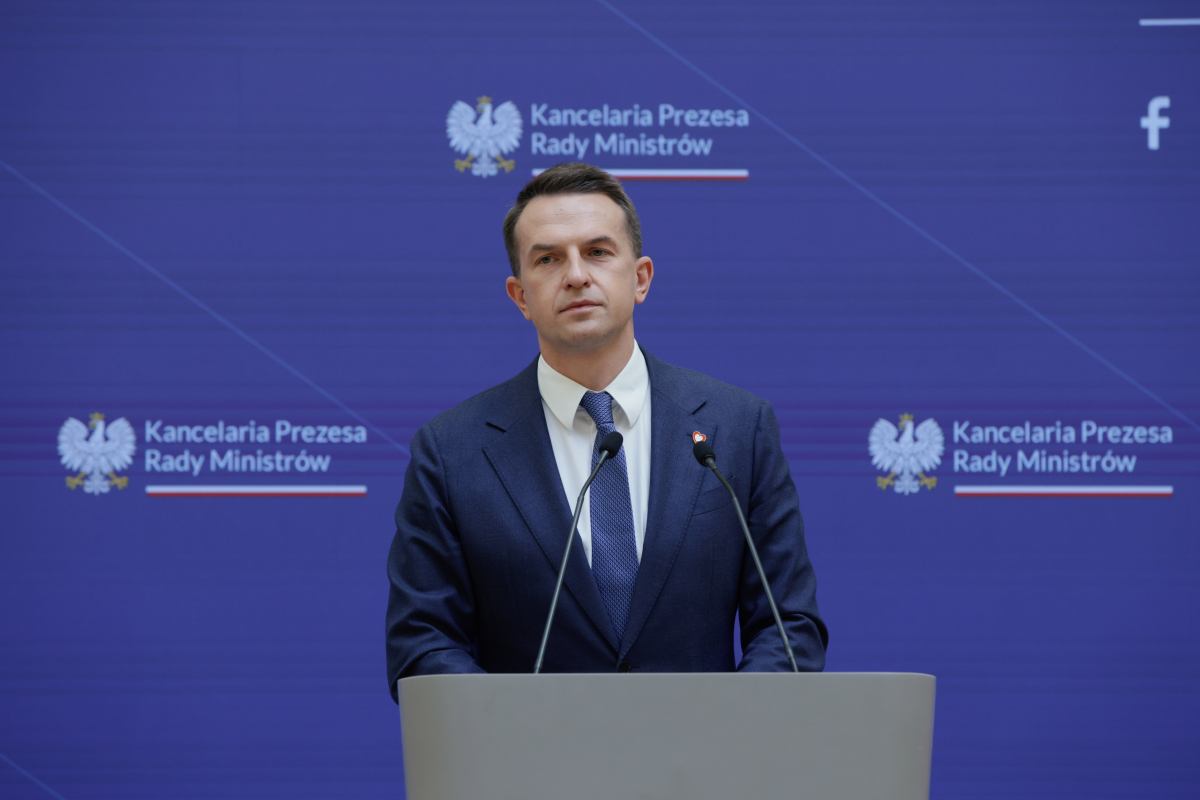
Following the announcement, government coalition politicians quickly voiced their concerns. Government Spokesman Adam Szłapka stated the President appointed someone warned against by NASK and the General Staff of the Polish Armed Forces, describing the council as “more like a Council for Russian narratives.” Interior Minister Marcin Kierwiński simply stated, “This doesn’t look good.”
Council’s Mandate
According to the Presidential Chancellery, the New Media Council will serve as a forum for exchanging views between various communities and developing responses to the challenges of the digital age. The Palace also emphasizes the importance of media, information, and digital education. The council’s inauguration took place on April 15th at the Presidential Palace.
Conflict with Council’s Stated Goals
The controversy is heightened by the Presidential Chancellery’s presentation of the new council as a body that will help build a society that is “aware, critical-thinking, and resistant to disinformation.” This goal clashes with Swinarski’s presence on the council, becoming a central point of criticism from coalition politicians and online commentators.