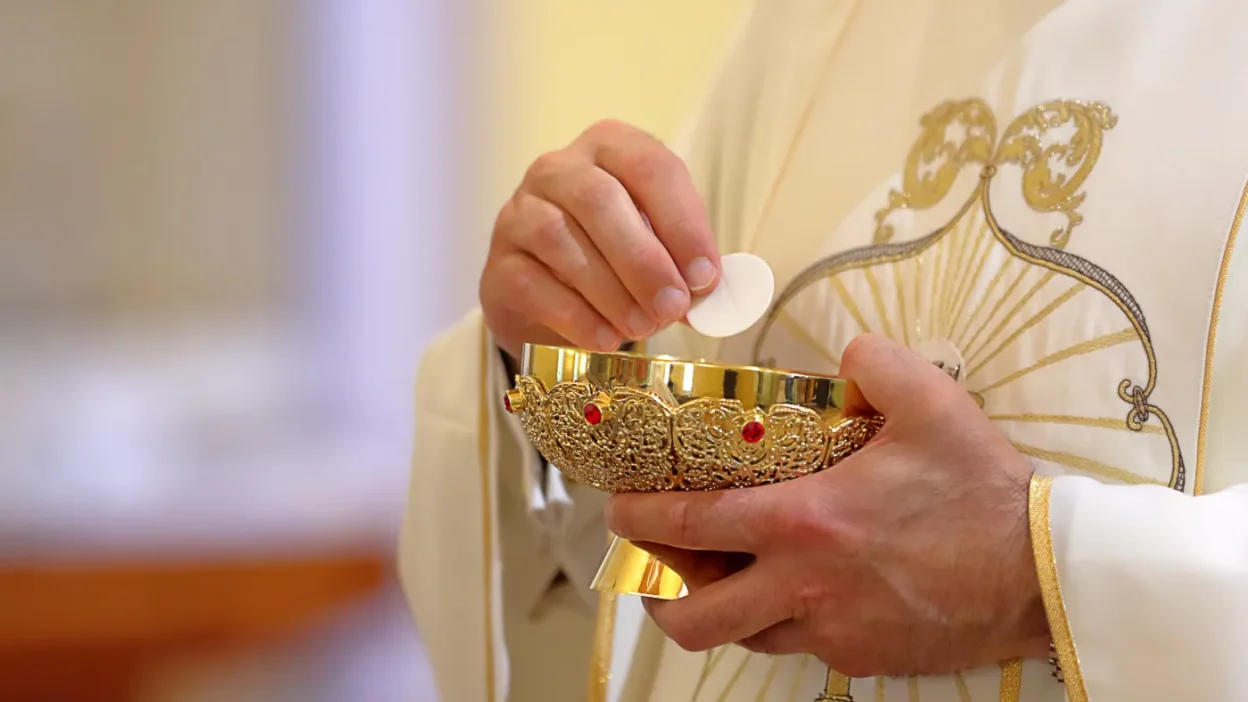
A Polish psychological center reports assisting 1200 priests with alcohol addiction, offering a path to continue ministry with non-alcoholic wine during communion.
Priests and Alcohol Dependence
A priest diagnosed with alcoholism can receive permission from their bishop to celebrate the Eucharist using grape juice instead of traditional wine, which contains alcohol. This accommodation is exclusively for clergy with a confirmed alcohol use disorder.
Clinical psychologist Father Krzysztof Raj stated this is a provision for priests who have completed therapy.
World Day of Temperance and Support Network
April 15th is observed as World Day of Temperance in Poland. Father Raj directs the Diocesan Center for Temperance Pastoral Care in Kowalewo, which has aided 1200 priests seeking treatment for alcoholism over the past 30 years.
Reluctance to Seek Help
Father Raj noted that priests often find it more difficult to admit to addiction than laypeople, fearing the perception of weakness and a challenge to their role as figures of authority and support.
“As clergy, we are afraid to show weakness, afraid to admit we have problems. In public perception, a priest is someone you come to for help; they should be a bedrock and a moral authority. But a priest is a human being and, like every human being, experiences various difficulties that they sometimes cannot cope with,” he assessed.
Similarities and Differences in Addiction
While the mechanisms of alcoholism are the same in priests and laypeople, the specific lifestyle of a priest can make it easier to open up within a community of fellow clergy during therapy.
The Role of Community
Father Raj emphasized that although priests do not typically have families, they are constantly surrounded by people in their parishes. Parishioners and other priests are often the first to notice signs of developing alcohol dependence.
Intervention and Support
If someone observes signs of addiction or another crisis in a priest, it is valuable to simply approach and talk to them. Father Raj has conducted hundreds of intervention conversations, where denial and defensiveness are common initial reactions.
He cautioned that a single conversation rarely leads to immediate therapy, but serves as a first step.
Ultimatums and Reporting
If a priest does not seek treatment after a conversation, a layperson can issue an ultimatum: that the matter will be reported to the bishop if the priest does not contact an addiction therapist. Father Raj clarified this is not “informing,” but concern for the priest’s health and life, as untreated alcoholism can be fatal and is a chronic, relapsing condition.
Therapy at Kowalewo Center
The core of therapy at the Kowalewo center consists of individual sessions with addiction therapists (who are laypeople), individual sessions with a psychologist, and group therapy. Priests also meet with priests who have moved from active addiction to remission and have been sober for years.
Faith as a Protective Factor
Father Raj believes faith is an important factor in preventing addiction and maintaining sobriety, but stressed it should not replace seeking professional treatment. He cautioned against waiting for a “miracle” instead of pursuing therapy.
Grace and Nature
“I always remind people of the principle accepted in the Church that grace builds on nature. If we are sick, we do not stop at prayer, but we go to the doctor,” he noted.
Moszcz Winny as an Alternative
A priest who has completed therapy can obtain permission from their bishop to use grape juice (moszcz winny) instead of regular wine during the Eucharist. This permission is only granted to priests with a diagnosed alcohol use disorder.