Following Donald Trump’s announcement of a three-day ceasefire, Ukraine reports 147 clashes and multiple casualties, accusing Russia of breaking the truce on its first day, May 9.
Trump’s Ceasefire Initiative
On Friday, Donald Trump announced a three-day ceasefire between Russia and Ukraine for May 9, 10, and 11. Trump expressed hope that this marks the beginning of the end for the conflict, stating that discussions to end the largest war since World War II are ongoing and approaching an agreement.
The agreement also reportedly included a prisoner exchange based on a “1000 for 1000” formula.
Immediate Violations and Casualties
The truce collapsed on its first day, Saturday, May 9, with both sides trading accusations of violations. The General Staff of the Armed Forces of Ukraine reported 147 clashes along the front line within the last 24 hours, noting that Russian air attacks began in the early hours of the ceasefire.
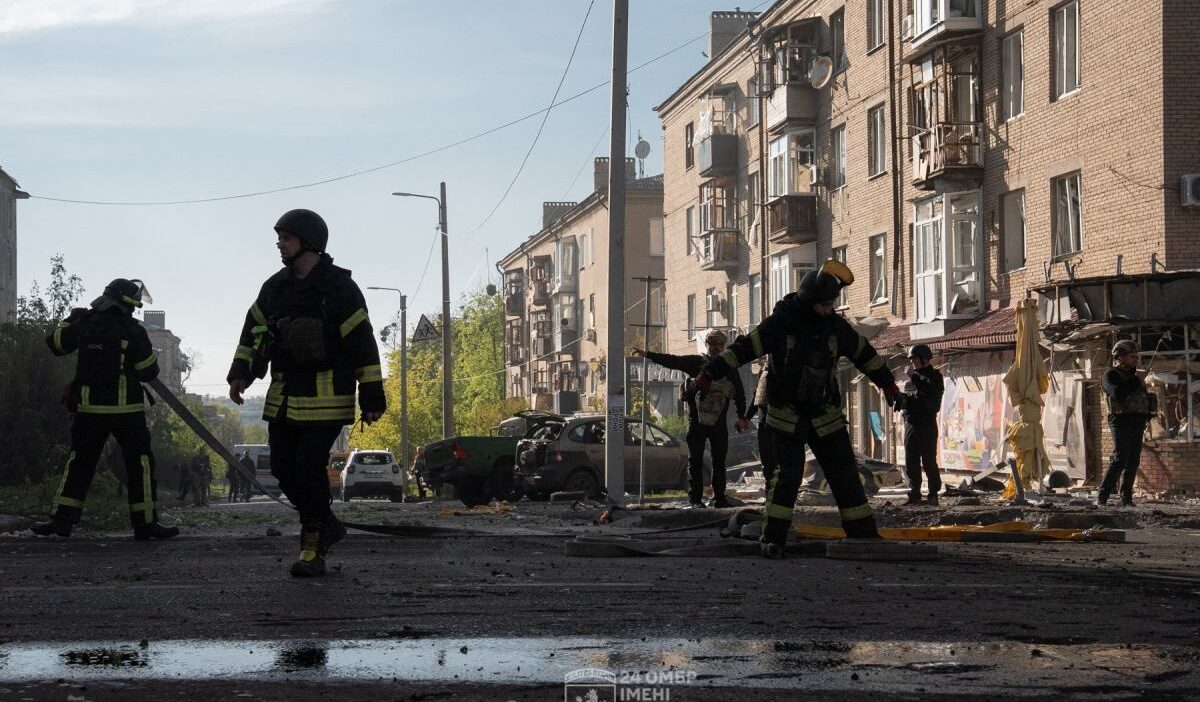
Russian drone strikes in the Dnipropetrovsk and Zaporizhzhia regions left two people dead and three wounded, damaging a residential building and a high school in Nikopol. In the Kharkiv region, eight people, including two children, were injured. Further casualties, including a child, were reported in the Kherson region due to Russian drones and artillery.
Russian Allegations and the Kremlin’s Stance
The Russian Ministry of Defense claimed that Ukrainian forces launched artillery and drone attacks against Russian positions, while the Governor of the Belgorod region reported three injuries.
Yuri Ushakov, a foreign policy advisor to Vladimir Putin, stated that the truce with Kyiv would last no more than three days. He clarified that there are currently no negotiations taking place, describing the situation merely as a pause without an agreement for further rounds of talks.
Context of Previous Truce Attempts
This latest effort follows several failed attempts at a ceasefire. Moscow had previously proposed a truce from May 8-11, which Kyiv rejected, accusing the Kremlin of violating a Ukrainian-proposed ceasefire on May 5 and 6.
President Volodymyr Zelenskyy noted in a social media recording that Ukraine had offered a ceasefire starting May 6 to ensure full silence, but responded only with new Russian attacks and threats.
The Significance of Victory Day
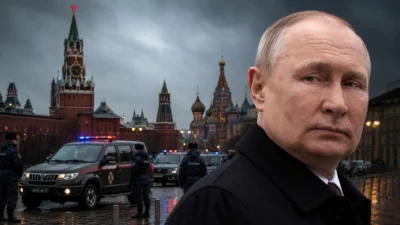
The timing of the ceasefire coincided with the annual Victory Day parade in Moscow on May 9, commemorating the Soviet victory over Nazi Germany.
Prior to the event, President Zelenskyy warned that Ukrainian drones might “join the parade” in Moscow and advised foreign delegations against visiting the Russian capital on that day.