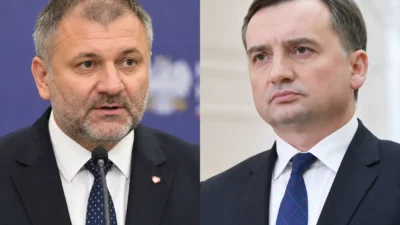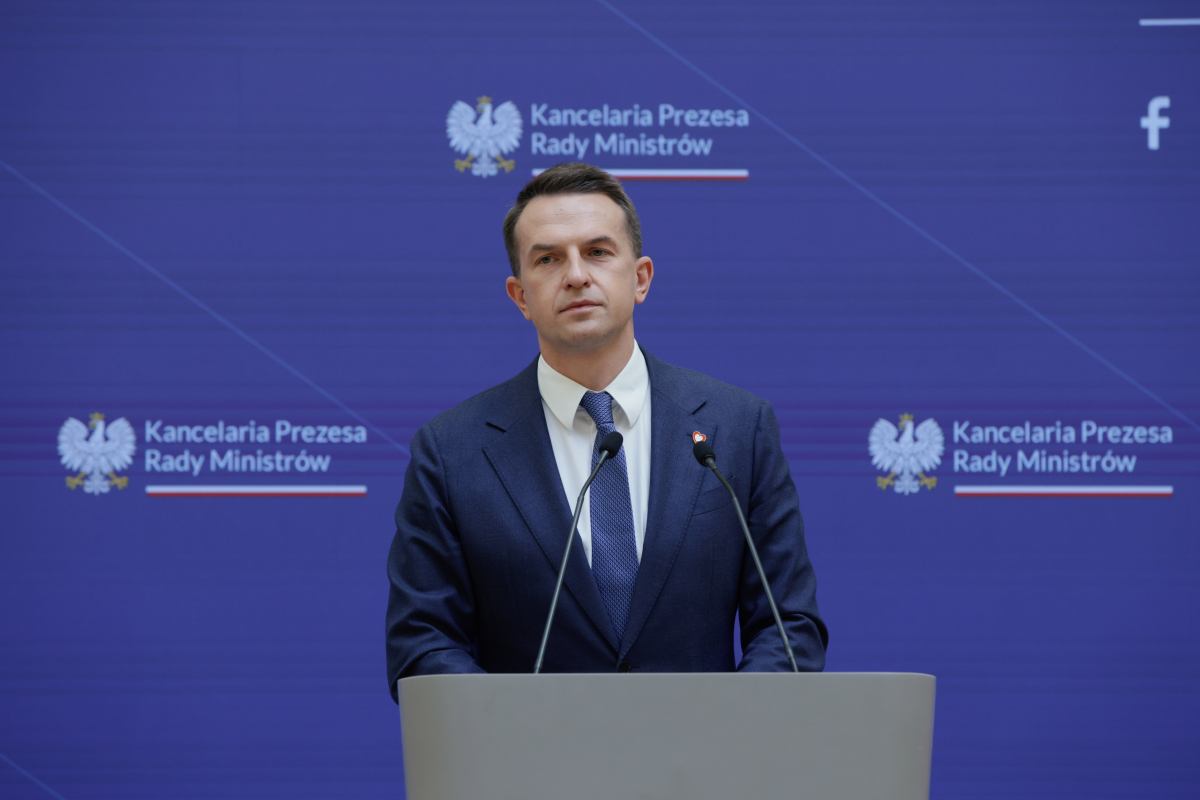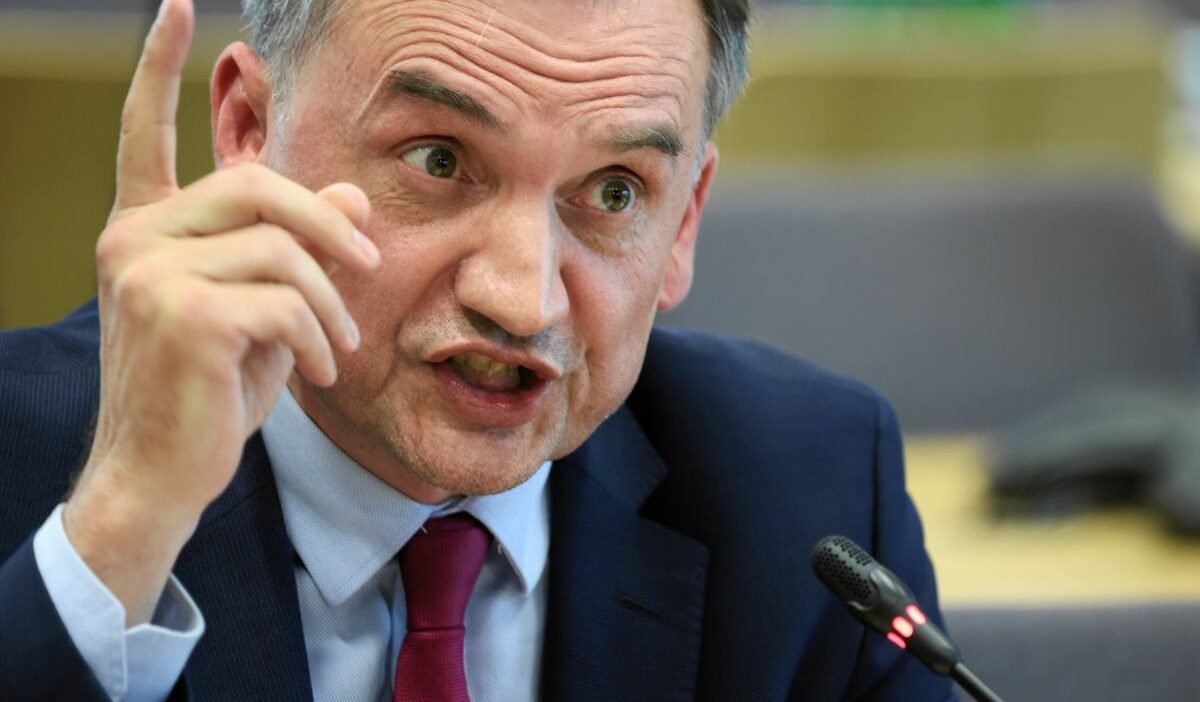
Following reports that former Justice Minister Zbigniew Ziobro has fled to the United States, Polish authorities are considering extradition, though legal experts warn the process is lengthy and politically dependent.
Reports of Ziobro’s Presence in the USA
Telewizja Republika, TVN24, and wPolityce.pl have reported that Zbigniew Ziobro left Hungary for the United States, with sightings placed at Newark Airport in New Jersey. Reports indicate the former justice minister departed on Saturday and holds a US visa.
Government Response and Extradition Request
Minister of Justice Waldemar Żurek announced that if Ziobro’s presence in the US is confirmed, Poland will formally request his extradition on Monday.
Legal Framework and Procedures
The President of the National Council of Bar Attorneys (NRA) explained that the process involves a prosecutor requesting extradition through the Minister of Justice to US authorities. This procedure is largely conducted at a diplomatic level.
A US court must then determine if grounds for extradition exist, based on the treaty between Poland and the US and the principle of dual criminality, meaning the alleged crimes must be illegal in both nations.
Criteria for Denial and Health Considerations
The court analyzes whether the prosecution is political, if a fair trial and right to defense are guaranteed, and the current health status of the requested person. A warrant for temporary arrest, along with evidence and charges, must be included in the application.
Final Decision and Potential Delays
Even with court approval, the final decision rests with US federal authorities, specifically the Secretary of State. Extradition can be denied if the request is deemed politically motivated.
The NRA President emphasized that unlike the European Arrest Warrant, this process is prolonged and can take years. He cited the failed extradition of Edward Mazur—prepared during Ziobro’s tenure as Justice Minister—as a prime example of the complexity and potential for failure.