Ukraine’s energy system faces escalating Russian attacks, leaving millions without heat and power amid plunging temperatures.
Russian Attacks Degrade Energy Infrastructure
Since early January, Russia has sustained a major campaign degrading Ukraine’s energy system, focusing attacks on power plants, high-voltage substations, and key transmission nodes across the country, according to Dejan Lazaroski of Polish Humanitarian Action (PAH).
Two powerful nighttime attacks in the first two weeks of January severely damaged energy infrastructure, with residents in many cities, including Kyiv, still feeling the effects.
Residential Heating Crisis Intensifies
Areas around Kyiv, such as Bucha, Irpin, Hostomel, Brovary, and Boryspil, face critical shortages. Homes often rely on individual gas boilers needing electricity to function. With power available only a few hours daily, adequate heating is impossible, notes Tomasz Grzyb, head of PCPM’s Ukraine office.
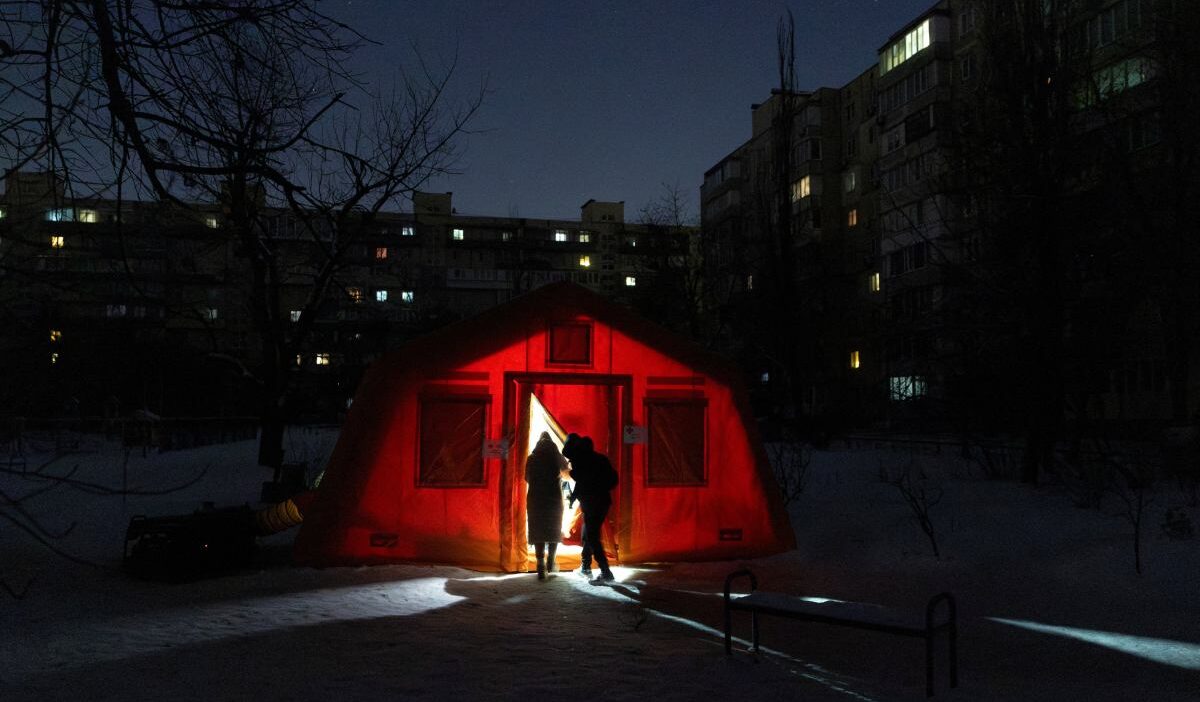
In Irpin, PCPM worker Viktoriia Sliusarenko reports just 8°C in her apartment, with power available for only 3 hours daily in some areas and up to 6 hours in others. Residents travel to nearby Points of Resilience—public spaces or tents with generators—to charge devices and access hot tea.
Strain on Services and Escape Routes
Half of Kyiv lacked heating after January’s attacks, compounded by freezing temperatures, struggling especially the city’s left-bank. Overloaded grids when power briefly returns prevent some devices from working, and water supplies often fail above the second floor. Public transport is limited, with metro running on reduced schedules and express trams suspended.
Sliusarenko notes friends fleeing to other regions, but finding safer areas near Kyiv is difficult. She herself has already evacuated from Donetsk oblast, now largely under Russian occupation and frontline.
Anticipation of New Attacks
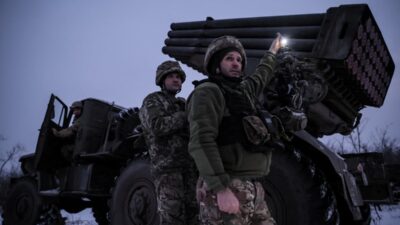
Ukraine fears another wave of targeting its energy grid, Lazaroski states. Russian forces remain ready, with reports indicating preparedness for ballistic missiles, rockets, and drone strikes. Repair crews are also targets, risking further damage to critical infrastructure.
PAH and other organizations are assessing needs to avoid duplicating aid efforts while supporting their 50 staff and families in Ukraine. They prepare for potential blackouts lasting days, crippling services like shops and public transport.
Humanitarian Response and Aid
PCPM recently delivered six generators to Bucha for resident support points, with more planned depending on needs, including spare parts and repair materials due to heavy equipment strain.
The “Warmth from Poland for Kyiv” fundraiser on pomagam.pl has raised over 3.3 million zł for generators, sleeping bags, and fuel, gaining attention in Ukrainian media and from Ukrainian Ambassador to Poland Vasyl Bodnar.