On Sunday, May 24, the Congolese Ministry of Communications reported 904 suspected Ebola cases, primarily in the Ituri province, amid rising tension and discrepancies in official mortality data.
Rising Suspected Infections and Data Discrepancies
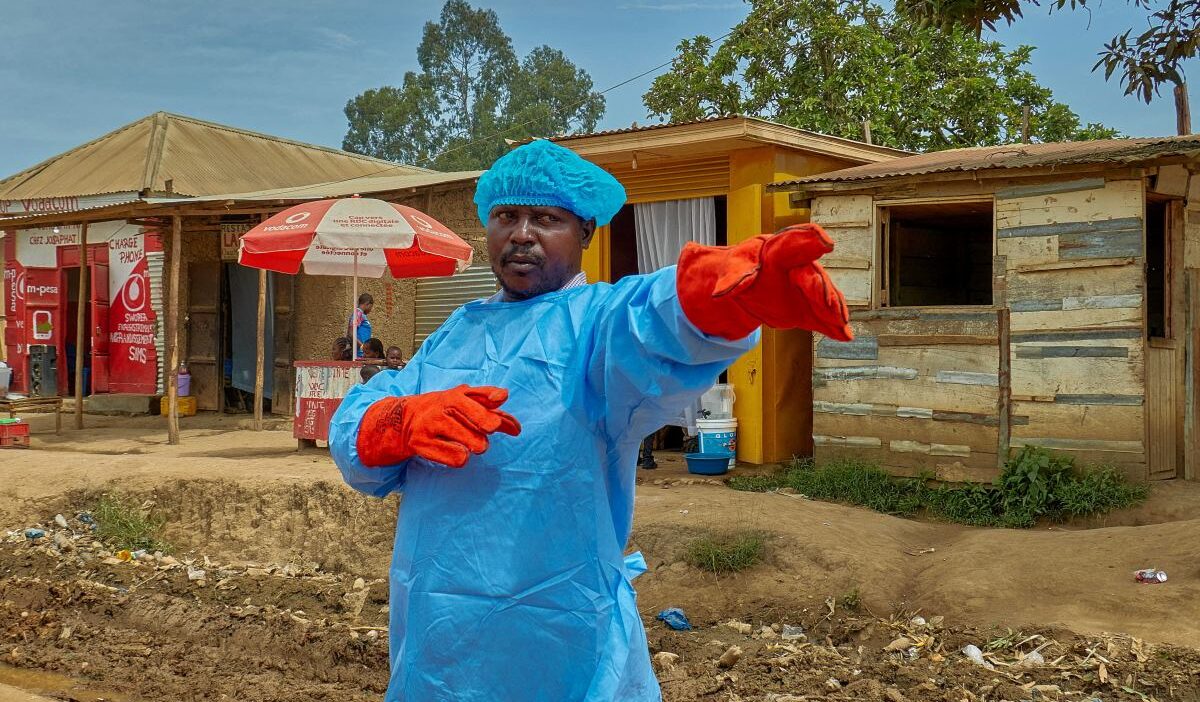
The Congolese Ministry of Communications has announced a sharp increase in suspected Ebola cases, rising from over 700 to 904. The majority of these cases are concentrated in the northeastern province of Ituri.
While the ministry claims 119 deaths, data broken down by region indicates 220 fatalities. The Associated Press has been unable to reach officials to clarify this significant statistical inconsistency.
Bundibugyo Strain and Diagnostic Challenges
There is currently no vaccine available for the Bundibugyo strain, a rare type of Ebola that remained undetected for weeks. After an initial death in the city of Bunia in late April, authorities tested for more common strains; those results were negative, delaying the identification of the specific virus.
Civil Unrest and State-Mandated Funerals
On Sunday night, an angry mob stormed a hospital in Ituri, demanding the bodies of two deceased relatives. The incident resulted in a shootout, forcing medical personnel to evacuate patients and staff.
Authorities have since mandated that all funerals be handled exclusively by the state without family participation, citing the high risk of viral transmission from the bodies of victims.
Humanitarian Crisis and Regional Risks
The World Health Organization (WHO) notes that the ongoing conflict in Ituri—where nearly 5 million people face displacement or require humanitarian aid—severely hinders containment efforts. Violence has forced healthcare workers to flee, obstructing contact tracing and early detection.
While the WHO deems the epidemic a “very high” risk for Congo, it considers the global spread risk to be low. Meanwhile, Czech authorities have transported an American patient from Uganda to Prague for observation, though the individual currently shows no symptoms.
Disease Symptoms and Fatality Rates
Ebola symptoms, which appear 2 to 21 days after exposure, include fever, fatigue, vomiting, diarrhea, and internal or external hemorrhaging. The disease, which spreads through contact with bodily fluids, carries a mortality rate ranging from 30 to 90 percent depending on the specific strain.