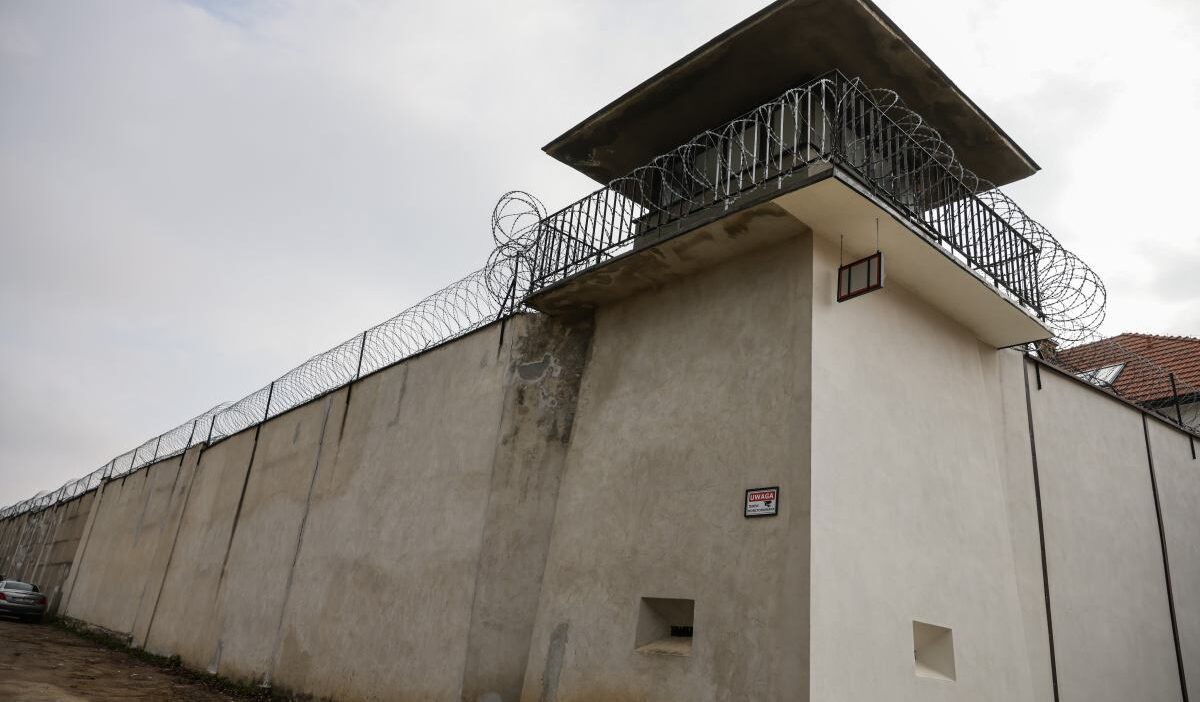
Facing empty prison capacity and high maintenance costs, Estonia has signed a five-year agreement to house up to 600 Swedish inmates, a deal expected to generate at least 30-60 million euros.
Addressing Surplus Capacity
Estonian prison occupancy has declined by approximately 1,300 inmates over the last decade, leaving many facilities underutilized. Madis Timpson, chair of the Legal Committee, noted that maintaining these empty spaces costs taxpayers millions of euros, with the Tartu prison particularly at risk of closure within a year.
Sweden, conversely, faces a severe shortage of prison space. Justice Minister Gunnar Strömmer and the Swedish Parliament have repeatedly highlighted the critical lack of capacity within the Swedish Prison and Probation Service.
Legislative Framework and Implementation
Following the passage of enabling legislation in both nations—finalized by the Swedish parliament on June 3 and the Estonian parliament on June 10, 2025—the countries established a cooperation framework. While current laws previously forbade such transfers, the new agreement allows Sweden to temporarily house convicts in Estonian facilities.
This partnership will keep the Tartu prison operational, secure local security sector jobs, and contribute millions to the state treasury. To manage the influx, Estonia plans to recruit over 250 new correctional staff. The regulations will officially take effect on July 3, 2026, with the first inmates arriving in August.
Security Criteria and Transfer Logistics
Estonia will maintain strict selection criteria for incoming inmates, excluding those deemed high-risk, minors, or women, as well as anyone involved in organized crime or terrorism. The program will prioritize adult males serving long-term sentences for drug offenses or crimes against individuals.
The financial terms stipulate that Sweden will pay 30.6 million euros annually for 300 cells, with an additional 8,500 euros monthly per extra prisoner. A 3.5 percent annual rate increase will apply starting in 2027, under a five-year contract that includes an option for a three-year extension.