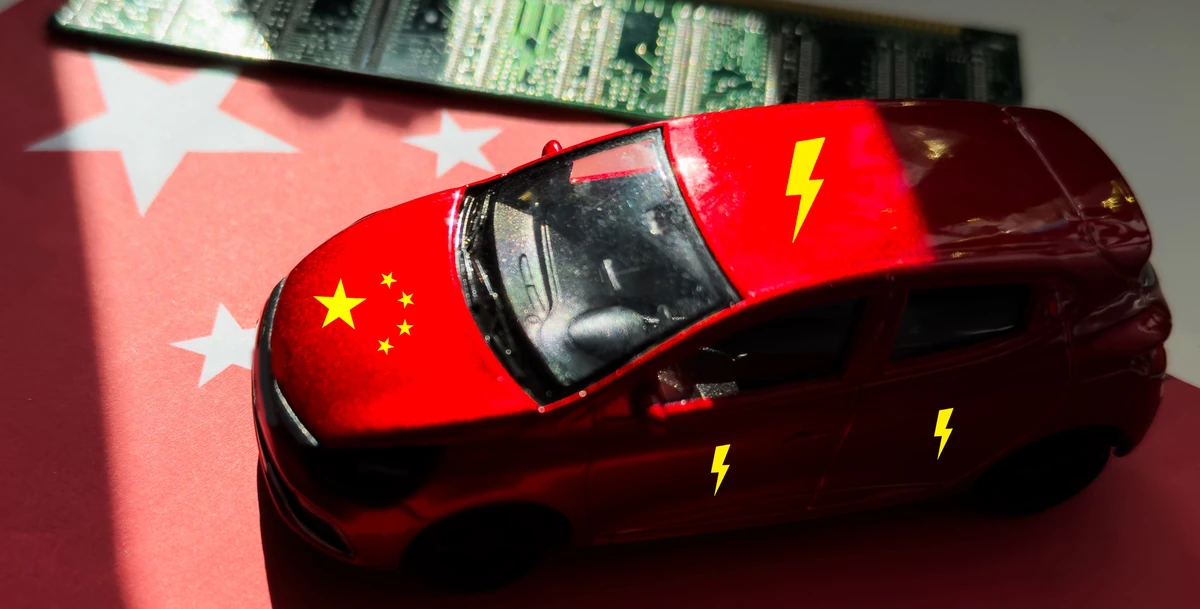
Klimek examines challenges in Europe’s electric vehicle market amid rising competition and consumer hesitation.
Electrification Losing Momentum
Transport electrification in Europe and the United States was intended to be rapid and beneficial. In practice, it is losing impetus, and its results are ambiguous. Technological shifts in the electric vehicle market simultaneously increase competition and costs for manufacturers.
Consumer Hesitation and Obsolescence Fears
Potential customers are unwilling to risk large expenditures on a product that may quickly become outdated. This hesitation stems from a discourse on electromobility dominated by ideology rather than strategy and economics.
Debate Lacks Holistic Assessment
Instead of comprehensive situational analysis, discussions rely on fragmentary arguments. Examples include highlighting the necessity of importing cobalt from countries with poor working conditions for battery production, or demanding electric vehicles be suitable for all tasks, such as construction in inaccessible areas, despite their primary use being urban personal transport.
Broader Implications
Automobiles involve not just private transport but also technological and military capabilities. The automotive industry remains a significant sector in the European Union, United States, and Japan.