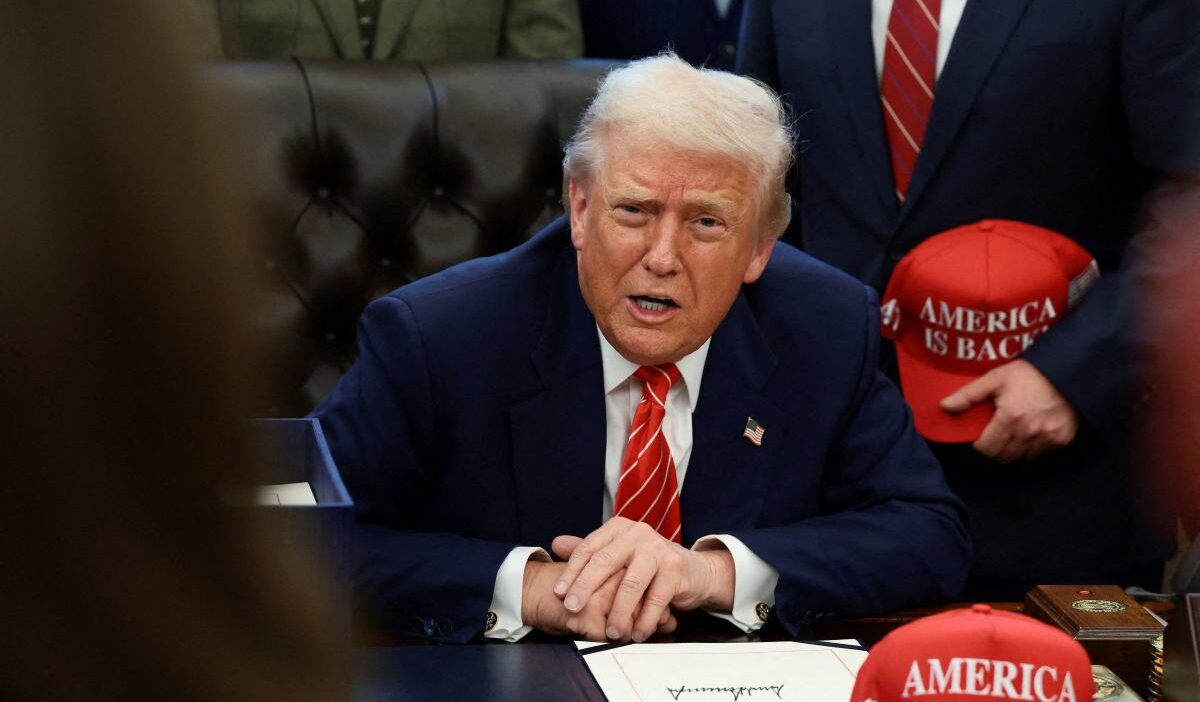
European parliamentary leaders largely opposed Donald Trump’s Nobel Peace Prize nomination, with only Hungary and Latvia supporting it.
European Rejection of Trump’s Nomination
At the beginning of February, Włodzimierz Czarzasty announced he would not support Donald Trump’s Nobel Peace Prize nomination, stating he “does not deserve it.” Similar decisions were made by the heads of parliaments from Luxembourg, Denmark, Belgium, Czech Republic, Finland, and Germany. Estonia, Croatia, and Sweden had not yet made a decision by January 21.
Latvian Support and Personal Decision
The Chairman of the Latvian Seim, Daiga Mierina, signed the letter to the Norwegian Nobel Committee, emphasizing it was her “personal decision.” She informally discussed it with the head of the Foreign Affairs Committee but not with the country’s prime minister. Mierina acknowledged that conflicting opinions would appear, noting that Latvian Foreign Minister Braze was critical but that represented her point of view.
Hungarian Backing and Trump’s Peace Credentials
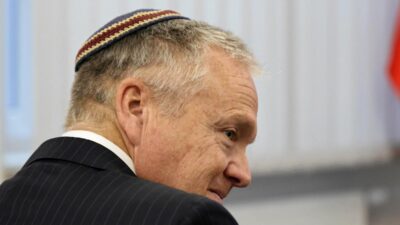
The head of the Hungarian parliament, Laszlo Kover, also joined the initiative, signing the application which described Trump as “the first person in modern history to be unanimously nominated by parliamentarians from different sides of the world.” The signatories highlighted Trump as “an engaged defender of peace” who worked to promote dialogue and diplomatic solutions.
Conditional Support from Luxembourg
The Minister of Foreign Affairs of Luxembourg announced during a press conference with Radosław Sikorski that his country would support Donald Trump’s nomination if peace in Ukraine is achieved. Polish Foreign Minister Sikorski emphasized that this should be “a just peace,” stating, “My position remains unchanged: we want peace, but it must be a just peace.”
Diplomatic Tensions
The situation has led to controversy with the US Ambassador, with reports indicating that contacts will no longer be maintained.