




Viral Photo Captures Confrontation Between Black Woman and White Supremacists on D.C. Metro
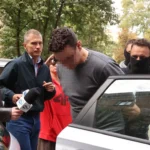
On July 4, Reuters photographer Cheney Orr captured a viral image of Bernita Bowlding surrounded by masked members of the white supremacist group Patriot Front while riding the Washington D.C. Metro....
On July 4, Reuters photographer Cheney Orr captured a viral image of Bernita Bowlding surrounded by masked members of the white supremacist group Patriot Front while riding the Washington D.C. Metro.
Table Of Content
A Symbol of Persistent Racial Tension
The image, which reached millions shortly after its publication, drew widespread comparisons to the civil rights era. Many observers highlighted the striking symbolism of the scene, noting that the presence of the Patriot Front—a known white supremacist organization—serves as a grim reminder that racism remains a significant issue in the United States.
The subject of the photograph was identified as Bernita Bowlding by her brother, Paul Bowlding. Expressing concern for her safety during the encounter, he likened the positioning of the masked activists to hounds surrounding her in an interview with The Washington Post.
Patriot Front March and Public Alarm
Hundreds of masked Patriot Front members had marched near the U.S. Capitol earlier that Saturday before boarding the Metro toward New Carrollton. The encounter left other passengers, including social activist Roswell Encina, feeling deeply unsettled and fearful.
Encina, a Filipino immigrant and U.S. citizen, recounted his experience on Instagram, describing his anxiety as he sat among the group. In an interview with The Advocate, he admitted to feeling frozen and unsure of the activists’ intentions, noting that the incident underscored the ongoing struggle to protect democratic values.
Reflections on Democracy and Patriotism
Encina emphasized that the incident, occurring the day after Independence Day, served as a poignant lesson on the importance of civic education. He argued that true patriotism involves expanding the circles of freedom and dignity, rather than relying on intimidation or fear.
He concluded that democracy is at its strongest when citizens participate actively and reject the hatred that threatens it. For Encina, the experience highlighted the persistent work required to uphold the American promise for all citizens.