Hungary’s opposition TISZA party secured a constitutional majority in parliamentary elections, ending Viktor Orbán’s 16-year reign and triggering immediate market reactions.
Market Reaction to Election Results
Financial markets reacted swiftly to the election outcome, with the forint strengthening and the Budapest stock exchange experiencing significant gains, according to a report by Ebury Polska.
Shift in Political Power
The parliamentary election results mark a fundamental change in Hungary’s political landscape. The TISZA party gained 137 seats, exceeding the threshold for a constitutional majority, enabling it to independently amend the constitution and key legislation.
This includes regulations concerning the electoral system, public media, the judiciary, and key fiscal policies.
Investor Response and Currency Gains
While TISZA’s victory was anticipated by some market forecasts, the scale of the win surprised investors. As a result, the Hungarian currency strengthened by over 4% against the euro within days, and the BUX index rose by nearly 10% weekly.
Expectations of Policy Change and EU Relations
The improved market sentiment is linked to expectations of a shift in economic policy and improved relations with the European Union. Investors anticipate the new government will end years of conflict with Brussels, unlocking significant EU funds.
Unlocking EU Funds
Approximately €8.4 billion from the Cohesion Fund and €9.5 billion from the Recovery and Resilience Facility could be unlocked. Additionally, Budapest may gain access to €17.4 billion in preferential financing through the SAFE program, totaling over €35 billion in potential economic stimulus.
Restoring Relations with the EU
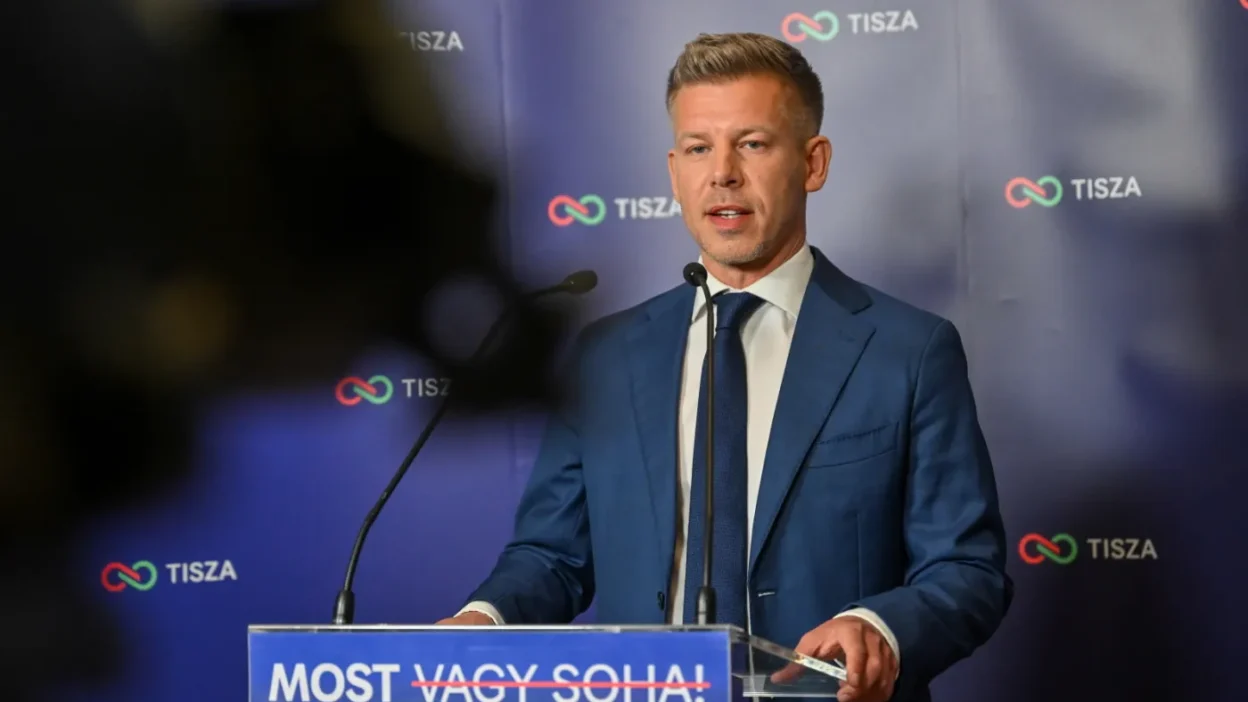
A key element of TISZA’s program is rebuilding relationships with EU institutions. Péter Magyar has pledged to end the policy of blocking EU decisions and foster more constructive cooperation with the European Commission.
This includes a willingness to meet rule-of-law conditions that previously led to the suspension of funds to Hungary.
Rule of Law Reforms and Anti-Corruption Efforts
The new government plans deep institutional changes, including limiting the prime minister’s term to eight years, introducing direct presidential elections, and depoliticizing public media. These measures aim to restore political pluralism and strengthen checks and balances.
Magyar also promises an audit of state institutions and transparency in public finance management, addressing long-standing accusations of cronyism and concentrated power.
Foreign Policy Shift and Russia
A significant change will also occur in foreign policy. Unlike the previous government, TISZA supports maintaining sanctions against Russia and continuing humanitarian aid to Ukraine. Magyar also plans to gradually reduce reliance on Russian energy sources.
The new prime minister does not rule out Ukraine’s future membership in the European Union, but emphasizes that the process should not be accelerated.
Social and Pro-Family Policies
Despite the clear shift in institutional and foreign policy, TISZA retains some policies characteristic of Orbán’s governments, particularly in migration and family policy.
The party pledges to maintain the border fence with Serbia and a firm stance against illegal migration. In the social sphere, it proposes doubling child benefits, introducing a one-time birth allowance, maintaining tax breaks for families, and offering preferential housing loans.
The program also includes proposals for benefits for mothers in large families and continuing energy price regulations for households. TISZA also plans an active role for the state in strategic sectors of the economy.
Péter Magyar: The New Prime Minister
Péter Magyar, who will take office as prime minister by May 12th at the latest, was associated with Fidesz for many years, working in various government positions including the Ministry of Foreign Affairs and Hungary’s Permanent Representation to the EU.
His political career gained momentum after a conflict with party leadership and a divorce from Judit Varga, the former Minister of Justice. A pivotal moment was the scandal surrounding the pardon of Endre Konyi, leading to the resignation of President Katalin Novák and Varga herself.
Magyar capitalized on this crisis, releasing recordings related to the Schadl–Völner corruption affair and giving a widely viewed interview. His popularity has since grown rapidly, culminating in approximately 30% of the vote in the European Parliament elections and confirming the shift in the parliamentary elections.